
Sunflower fields — where every drop of pure sunflower oil begins. (Pexels)
Sunflower oil is a staple in kitchens around the world. Extracted from the seeds of the sunflower plant (Helianthus annuus), this versatile cooking oil is prized for its neutral flavor, high smoke point, and affordability. Whether you are sautéing vegetables, baking a cake, or mixing a salad dressing, sunflower oil often plays a silent but crucial role.
However, in recent years, sunflower oil has been the subject of much debate regarding its health implications. Is it a healthy choice, or is it something you should avoid? This comprehensive guide explores everything you need to know about sunflower oil, from its nutritional profile and production process to its best uses in the kitchen and potential risks.
Sunflower oil is a non-volatile oil that is pressed from the seeds of the sunflower. The resulting liquid is light yellow in appearance and has a very mild, almost imperceptible taste. This neutrality makes it an excellent choice for cooking, as it does not overpower the natural flavors of the ingredients.
The journey of sunflower oil from a farm field to your kitchen pantry involves several precise steps to ensure quality and safety.
Sunflowers are highly adaptable crops with a growing cycle of about 90 to 120 days. In the Northern Hemisphere, they are typically sown between March and May and harvested from August to October. The optimal harvest time is when the back of the sunflower head turns brown and the seeds have a moisture content of around 10-12%.
Once harvested, the seeds are cleaned to remove impurities like dust, stones, and plant debris. They are then dehulled to separate the kernel from the hard outer shell. The oil is extracted using one of two primary methods:
The crude oil obtained from pressing and extraction undergoes refining to remove impurities, free fatty acids, and color pigments. This process, which includes degumming, neutralization, bleaching, and deodorization, results in the clear, odorless, and stable sunflower oil commonly found in supermarkets.
Sunflower oil is primarily composed of fats, but the type of fat and the presence of essential nutrients make it a topic of interest for health-conscious consumers.
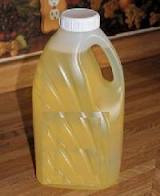
One of the main benefits of sunflower oil is its high content of unsaturated fats, which are considered "good" fats. The American Heart Association notes that replacing saturated fats with unsaturated fats can help lower LDL (bad) cholesterol levels and reduce the risk of heart disease.
Despite its benefits, sunflower oil has faced scrutiny due to its omega-6 content.
Choosing the right oil often depends on what you are cooking. Here is how sunflower oil stacks up against other popular options.
This is a classic comparison of a neutral oil versus a flavorful one.
The term "vegetable oil" is a broad category, and in many regions, it is often just a blend of oils or simply rapeseed (canola) oil. Sunflower oil is a specific type of seed oil. Nutritionally, they are similar, but sunflower oil is often higher in Vitamin E.
The physical properties of sunflower oil make it a favorite for various cooking methods.
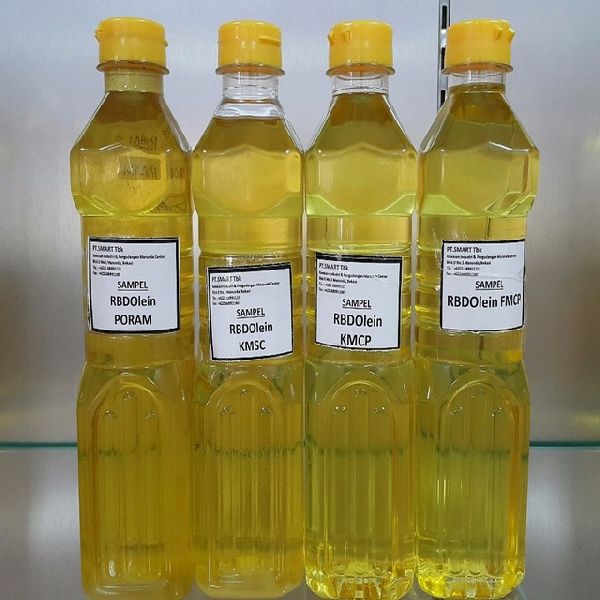
One of the most common questions is whether you can use sunflower oil for deep frying.
Beyond frying, sunflower oil excels in many areas:
The benefits of sunflower oil extend far beyond food. Its emollient properties and rich nutrient profile make it a valuable ingredient in the beauty industry.
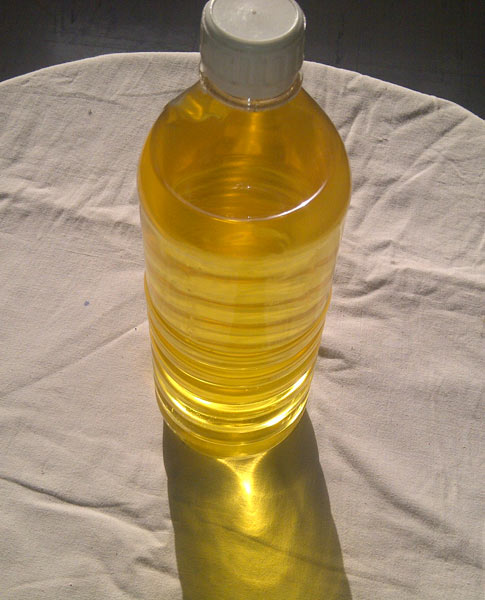
Sunflower oil is a fantastic natural moisturizer. It is non-comedogenic, meaning it wont clog pores, making it suitable for many skin types, including sensitive and acne-prone skin.
In hair care, sunflower oil is gaining recognition as a natural alternative to silicones. The long-chain fatty acids in the oil coat the hair shaft, protecting it from friction and heat damage without leaving behind a heavy, greasy residue that can build up over time. It helps add shine and moisture, keeping hair looking healthy and vibrant.
While sunflower oil is generally safe and healthy, being an informed consumer is key.
Not all sunflower oil is created equal. It is important to distinguish between the three main types available:
| Type | Characteristics | Best for |
|---|---|---|
| Linoleic (Standard) | High in polyunsaturated fats (omega-6). Less stable at high heat. | Cold dishes, dressings (if fresh). |
| Mid-Oleic (NuSun) | Developed to reduce hydrogenation; better balance of mono- and polyunsaturated fats. | All-purpose cooking, moderate heat. |
| High-Oleic | Contains 75–90% oleic acid (same as olive oil). Very stable at high temperatures. | High-heat frying, roasting, and everyday cooking. |
When shopping, check the label. If you plan to cook with it, high-oleic sunflower oil is the superior choice.
Sunflower oil is a versatile, affordable, and generally healthy cooking oil. It offers significant benefits, including a high smoke point perfect for frying and a rich content of Vitamin E. While concerns about omega-6 fatty acids exist, they are easily managed by maintaining a balanced diet rich in omega-3s and by choosing high-oleic sunflower oil for your cooking needs. Whether you are using it to achieve a perfect sear on a piece of fish, moisturize your skin, or bake a delicious cake, sunflower oil remains a valuable and practical staple in households around the globe.